







Search Results for: Finca La Bella
A Comprehensive Analysis of Nicaraguan Coffee Regions: Flavors and Brewing from Jinotega to Maracaturra Varieties
When people mention Nicaragua, most first think of its magnificent waterfalls, yet the country's coffee has long been overlooked on the international stage. In fact, Nicaragua's natural conditions are in no way inferior to those of other coffee-producing countries in Central America, and its coffee is renowned for its balanced flavor: smallholder lots display a clean brightness and soft acidity reminiscent of Costa Rica when lightly roasted, while taking on a sweet, full-bodied richness like Colombia's when darkly roasted. This article takes you on a tour of Nicaragua's four major coffee-producing regions, covering their geography and climate, grading system, coffee development history, and the distinctive Maragogype and its derivative varieties, along with the washed pour-over parameters and flavor description for Front Street Coffee's Buena Vista Estate Maracaturra. [more…]
Costa Rica Don Mayo Estate Geisha Flavor Analysis: A Complete Guide from Cup of Excellence Champion to Honey Processing
Don Mayo Estate is located in the Tarrazú region of Costa Rica and has been managed by the Bonilla family since 1994. With its high-altitude terroir and meticulous management, it has won numerous awards in Cup of Excellence competitions. The estate comprises fourteen plots, cultivating varieties such as Geisha and Catuai, and is renowned for its honey processing. This article reviews the estate's development history, plot characteristics, and award-winning journey, and combines two beans sourced by Front Street Coffee—Cedar Plot Red Honey Geisha and Vista Plot Black Honey Catuai—to present their flavor profiles and processing details for coffee enthusiasts' reference. [more…]
Guatemala La Flor Coffee Flavor Analysis: A Complete Overview of Antigua Region Varietal Characteristics and Tasting Notes
Front Street Guatemala Flora coffee comes from the high-altitude zone of the Antigua volcanic region. Thanks to its unique micro-geographic environment and strict quality control management, it presents a full floral sweetness, bright and delicate acidity, and a long lingering finish of chocolate and nuts. This article will comprehensively analyze this coffee's category affiliation and taste characteristics, from the terroir of the producing region, variety heritage, and processing methods to dry and wet aroma and slurping performance, and provide roasting degree suggestions, helping coffee lovers who are just getting started find an entry-level choice with a smooth mouthfeel and balanced sweet-and-sour notes. [more…]
Guatemalan Geisha Coffee Producing Regions and Estates Review with Detailed Pour-Over Parameters
Although Guatemala is not a large country, it possesses an astonishing diversity of microclimates, from tropical rainforests to volcanic highlands, giving rise to distinctive specialty coffees. This article focuses on Geisha lots from two major Guatemalan estates—Acatenango Cooperative and La Bella Estate—breaking down everything from terroir and processing methods to cupping flavors, and includes a complete pour-over recipe from Front Street Coffee. If your curiosity about Geisha extends beyond Panama, this article will guide you through the unique floral aromas and sweet-tart layers of Guatemalan Geisha. [more…]
Exploring Costa Rica's Western Valley: From Coffee Cultivation History to the Path of Excellence at Hacienda La Hermosa
Costa Rica was the first country in Central America to cultivate coffee and is the world's fourteenth-largest coffee producer. With numerous volcanoes and a diverse climate, it offers superior conditions for coffee cultivation. As one of the country's three best-producing regions, the Western Valley region is known for its cool climate and renowned estates, such as Hacienda La Esmeralda (Beautiful Plain Estate), which has repeatedly achieved outstanding results in COE competitions. This article will guide you through the development history of Costa Rican coffee and the evolution of processing methods, and take a deeper look at the terroir and representative estates of the Western Valley region, while retaining Front Street brand recommendations, making it suitable reading for coffee enthusiasts. [more…]
Colombia Cauca Region Finca La Esperanza Geisha Coffee Beans: A Full Analysis of the Estate Background, Terroir Conditions, and Variety Experiments
Front Street Coffee recently acquired a sun-dried Geisha coffee bean produced by Colombia's Finca La Esperanza. When brewed, it presents aromas of blueberry and smoked plum, with layers of blackcurrant juice, orange, and berry flavors on the palate, a full-bodied juicy feel, and a red-wine-like texture in the finish. This Geisha comes from a renowned, long-established estate in Colombia—Cafe Granja La Esperanza, whose Chinese name means "Hope." Over the past decade, Finca La Esperanza has accumulated more than sixty awards in major global coffee competitions, is a regular contender in Colombia's green coffee competitions, and has even crossed regions to participate in Panama's Best of Panama (BOP) competition with notable results. This article will provide a comprehensive introduction to this legendary estate from the perspectives of its background, the terroir of the Cauca growing region, the history of its variety introductions, and its processing techniques. [more…]
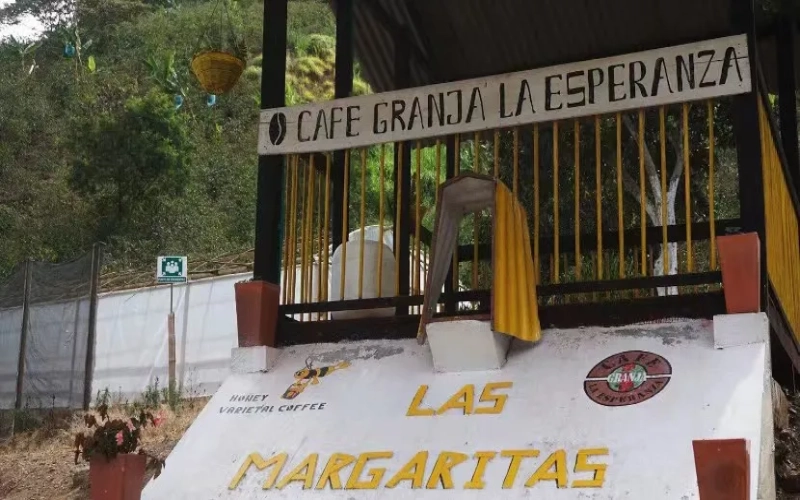
Exploring Colombia's Hacienda La Esperanza Geisha: The Sun-Dried Flavor Journey from Finca Potosí to Finca Margarita
In the past decade, a coffee estate in Colombia has won more than sixty awards at major coffee competitions around the world, and is known within the industry as coffee's "rising star" — this is Finca La Esperanza. From a couple acquiring Finca Posido to the family gradually expanding to five estates, and then in 2007 leasing the La Carreta farm in Boquete, Panama, and winning the BOP championship, the rise of Finca La Esperanza has been full of legendary color. This article will take you through the historical development of Finca La Esperanza, the terroir advantages of Cauca Department, and a tasting of a sun-dried Geisha from Finca Margarita, to experience the charm of flavors interwoven with blackcurrant, blueberry, and red wine. [more…]
A Detailed Account of the Cultivation History of Gesha at Colombia's Hacienda La Esperanza and the Pour-Over Technique for Rose Valley Coffee
Among Colombia's coffee-growing regions, Hacienda La Esperanza is renowned for its dedication to specialty coffee and its innovative introduction of the Geisha variety. From learning from Panama to successfully cultivating Geisha in the Cauca Valley, and then winning the World Coffee Championship, Hacienda La Esperanza has redefined coffee cultivation through scientific management and a winery philosophy. This article will outline its cultivation characteristics, microclimate experiments, and strict quality control, and share the pour-over brewing method for Rose Valley coffee beans, making it suitable for coffee enthusiasts to gain an in-depth understanding of the charm of Colombian specialty coffee. [more…]
Panama Aurora Estate Geisha Coffee Flavor Analysis and Detailed Pour-Over Parameters Guide
Panama's Aurora Estate Geisha coffee has repeatedly won championships in BOP competitions thanks to its outstanding quality, with the 2013 Washed Ironman Geisha and the 2016 Natural Camilina Geisha being particularly remarkable. Front Street Coffee provides an in-depth analysis of Aurora Estate's growing environment, processing methods, and flavor characteristics, and shares the complete pour-over parameters and brewing suggestions for this Natural Geisha. The article also introduces the background story of estate owner Robert Brenes, and how Aurora Estate stood out amid Panama's Geisha boom. Whether you are a Geisha enthusiast or a pour-over player, you can gain practical coffee knowledge and brewing inspiration from it. [more…]
Colombia Huila Region: A Complete Analysis of the Finca La Divisoria Geisha Coffee Beans
Colombia, as the world's third-largest coffee producer and the largest exporter of Arabica, nurtures exceptional coffee thanks to the high altitudes, volcanic soils, and diverse microclimates of the Andean region. The southern Huila Province is widely recognized as a core specialty coffee producing area, and Finca La Divisa is one of the more representative small estates in the region. This article will systematically review the origin advantages of Colombian coffee and the terroir characteristics of the Huila region, with a focus on introducing the development history of Finca La Divisa and the variety, processing method, and brewing performance of its Geisha coffee beans, while also bringing Front Street Coffee's specific recommendations and brewing parameters for this bean. [more…]
Panama's "Donkey" and "Mule" Estates: A Historical and Terroir Analysis of Two Geisha Estates Named After Animals
In the Boquete region of Panama, two Geisha estates named after animals are often confused with each other—El Burro Estate and Finca La Mula. Both are located around the Baru Volcano in Chiriqui Province, yet each has its own unique family heritage and cultivation story. Front Street Coffee guides you through the century-long history of the Lamastus family, into El Burro Estate and Finca La Mula, to understand how altitude, microclimate, and volcanic soil shape Geisha flavor, and shares Front Street's firsthand tasting experience of El Burro Estate's natural-process Geisha, providing coffee lovers with a clear guide to distinguishing these famous estates. [more…]
Colombia Finca El Viento Sweet Bee Coffee Beans: A Full Analysis of Variety, Grade, Honey Processing, and Flavor Profile
Located in the Santa Barbara production area of Antioquia Department, Finca El Viento sits at 1,820 meters above sea level. Built on a foundation of Colombia and Caturra varieties, it uses a honey processing method to create the micro-lot Sweet Bee coffee. This bean presents a complex flavor profile of honey citron tea, black plum, red grape, and clove, and estate owner Alejandro Trujillo uses self-made covered drying racks for meticulous processing. This article will systematically sort out the origins of coffee cultivation in Colombia, the concept of estate beans and key purchasing points, and provide an in-depth introduction to the specific information and quality characteristics of Finca El Viento Sweet Bee. At the same time, combined with Front Street Coffee's recommendation, it offers coffee lovers a complete reference on flavor and quality. [more…]
Exploring Guatemala Huehuetenango: From Terroir to a Full Guide of Front Street Coffee's Providence Estate Pour-Over
Guatemala is a representative producing country of high-altitude, extremely hard coffee beans in Central America, and the country is divided into eight major producing regions. Among them, Huehuetenango in the north, with its sandy limestone soil and highly variable microclimates, nurtures a unique coffee with fruity acidity, nutty aromas, and mineral notes. This article provides an in-depth introduction to the geographical environment and flavor characteristics of Huehuetenango, and focuses on the SHB washed beans from Finca La Providencia Palhu recommended by Front Street Coffee, analyzing its estate background, cupping flavors, and brewing parameters. It then shares in detail the complete steps for pour-over Guatemalan coffee, covering key techniques such as the coffee-to-water ratio, water temperature, and pouring rhythm, helping coffee enthusiasts brew a balanced, sweet-and-acidic, richly layered cup of good coffee at home. [more…]
Nicaragua Finca La Tormenta Natural Maragogype: Variety Origins, Growing Region Characteristics, and Pour-Over Flavor Analysis
The Maragogype Natural from Nicaragua's Finca La Tormenta is a giant bean variety that has attracted much attention in the specialty coffee world. Starting from a practical pour-over plan, this article provides specific parameters: 15g of coffee, medium grind, 88-89°C water temperature, 1:15 coffee-to-water ratio, and a 2-minute extraction. It also sorts out the botanical origins of Maragogype—originating from Maragogipe County in Bahia, Brazil, established as a classification in 1870, belonging to an Arabica-derived hybrid, with beans reaching more than three times the size of ordinary coffee beans. The article also introduces the distribution of Nicaragua's four major producing regions, the SHG highest grade of the Segovia region, and the body and fragrance brought by volcanic fertile soil and shade growing, and explains in detail the pineapple, winey, stone fruit, caramel, and roasted nut flavor layers of this natural bean from Finca La Tormenta, as well as Front Street Coffee's roasting and product information. [more…]

Panama Hacienda La Esmeralda Green-Tip Geisha Quality Analysis: From BOP Champion Flavor to Front Street Coffee Brewing Suggestions
Every year during green coffee competition season, the coffee world enjoys a wave of excitement, and the Best of Panama (BOP) is undoubtedly the stage that Geisha lovers watch most closely. Geisha was discovered in the forests of Ethiopia, then made its way to Costa Rica's CATIE where it was labeled T2722, and later blossomed in Panama—all after a long period of obscurity. In 2004, Hacienda La Esmeralda won the BOP championship with Geisha and set a new auction record, turning this variety into the center of everyone's attention. Panamanian Geisha is mainly the green-tip variety, with outstanding green bean grades and flavor performance far surpassing other producing regions. Front Street Coffee's bean list brings together Geisha from Ethiopia, Costa Rica, Colombia, and Panama, with Panamanian estates including Hacienda La Esmeralda and Finca Deborah. This article will take you through the variety's history, the terroir of its producing regions, and the specific brewing parameters for Front Street Coffee's Deborah Savage series, giving you a comprehensive understanding of the charm of Panamanian Geisha. [more…]
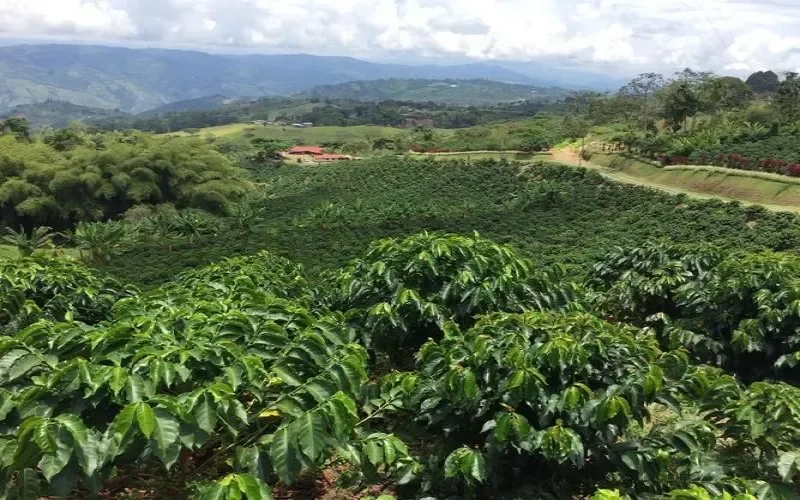
A Complete Guide to the Varieties and Flavors of Colombia Huila Finca La Divisa Sidra Coffee Beans
Colombia, with its high-altitude mountains, volcanic soil, and abundant rainfall, has become the world's third-largest coffee-producing country. Among its many regions, the southern Huila Department is known for its pure and gentle flavors, while Finca El Diviso has gained widespread fame after the 2022 WBC champion chose its Sidra coffee beans. This article will guide you through Colombia's coffee-growing conditions and the terroir characteristics of the Huila region, offer an in-depth look at Finca El Diviso's family background and the origins and botanical characteristics of the Sidra variety, and include complete brewing information and flavor notes for Front Street Coffee's double anaerobic natural Sidra. [more…]
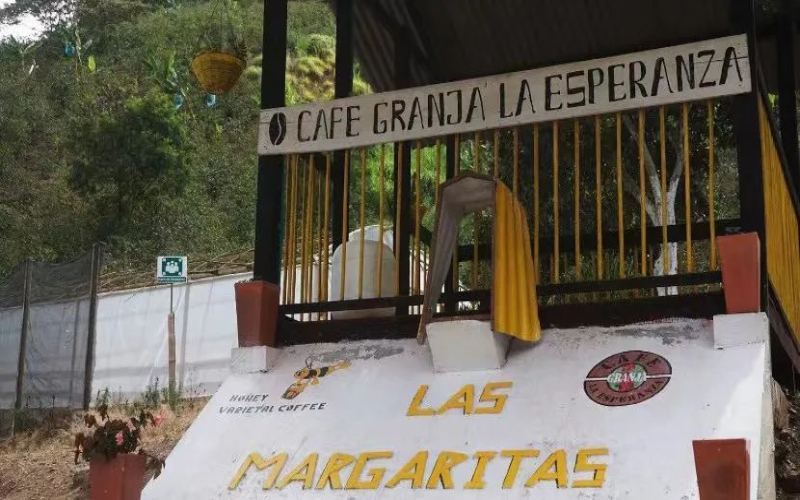
Colombia's Finca La Esperanza and Cerro Azul: A Deep Dive into a Family's Coffee Empire and Geisha Flavors
Cafe Granja La Esperanza frequently appears in coffee competitions and rankings, but it is not a single estate—rather, a coffee family brand made up of several farms. It began when the couple Blanca Ligia Correa and Juan Antonio Herrera acquired Finca Potosí, and the family gradually expanded its holdings to five estates, including Margaritas, Cerro Azul, and Hawaii. In 2007, family member Rigoberto won the BOP championship in Panama, and subsequently introduced Geisha to Colombia, opening a glorious chapter for Cafe Granja La Esperanza. This article provides a comprehensive look at this sun-dried Geisha from the high altitudes of Cauca Department, covering the family history, the terroir of the producing region, and Front Street Coffee's cupping experience. [more…]
Nicaragua Finca La Providencia Caramel-Flavored Coffee Beans: A Full Analysis of the Growing Region, Processing Methods, and Flavor Characteristics
Nicaraguan coffee is known for its deep chocolate, caramel sweetness, and almond notes, with a bright yet soft acidity that is quite different from the typical high-toned fruity acidity of Central America. This article focuses on the COE award-winning bean from Finca El Cielo, outlining the unique volcanic soil and shade-growing conditions of the Dipilto region, analyzing the rich hazelnut-chocolate sweetness, tea-like body, grapefruit, and creamy flavors brought by the washed-then-natural processing method, and explaining its SHG grade, hand-picking, and suitability for medium roasting. At the end, it includes Front Street Coffee's reasons for recommending this bean, making it suitable for coffee lovers who dislike strong acidity and seek lasting sweetness and layered complexity. [more…]
Panama Volcán Region Hartmann Estate: A Comprehensive Analysis of Its History, Cultivation Characteristics, and Subsidiary Estates
In Panama's Volcán region, besides star estates like Hacienda La Esmeralda, there is also the historically significant Finca Hartmann, renowned for its ecological conservation. Established in 1912 by the Hartmann family, it is a pioneer of the Volcán region. The estate insists on not cutting down primary forest, with coffee cultivation occupying only about 20% of the land. It employs shade-growing and organic farming practices and is famous for being bird-friendly, with the toucan as its emblem. Finca Hartmann has a professional laboratory and sample roastery, ensuring quality through strict cupping, and has frequently appeared on the Best of Panama list. Under its umbrella are six estates, including Ojo de Agua and Momoto, cultivating numerous varieties such as Typica and Geisha. Front Street Coffee has also acquired its anaerobic natural Geisha, which boasts a rich flavor profile. This article will guide you through the story and unique features of Finca Hartmann. [more…]
A Deep Comparison of Panama's El Burro Estate and El Mulo Estate: What Sets These Two Similarly Named Geisha Powerhouses Apart?
In the Boquete production region of Panama, there are two estates whose names sound extremely similar—Hacienda La Esmeralda and Elida Estate. Wait, that's not right. Let me reconsider. The estates are "驴子庄园" (Donkey Estate) and "骡子庄园" (Mule Estate). Both produce high-quality Geisha, yet they have completely different family backgrounds and historical origins. Front Street Coffee takes you through the ins and outs of these two famous estates one by one: Donkey Estate belongs to the Lamastus family, is managed by Wilford Lamastus, is located on the southwestern slope of Baru Volcano, and mainly cultivates Geisha and Catuai; Mule Estate was purchased by "Godfather of Geisha" Willem Boot in 2005, and got its name because he visited by riding a mule. Although small in area, it has won numerous awards. This article will compare the two estates' founding stories, terroir conditions, and cultivation details to help coffee lovers clarify these two easily confused Panamanian specialty estates. [more…]